
Multi-DSP Control Implementation for MMC
Project Overview
This project, part of the Universitas Gadjah Mada – PT PLN (Persero) Collaboration, focused on the real-time validation of Modular Multilevel Converters (MMC) within a Solid-State Transformer (SST) architecture to ensure system stability and regulation under industrial conditions.
Core Contributions & Technical Execution
1. Multi-DSP Embedded Control Development
- The Challenge: Integration and real-time validation of the MMC control logic, developed by teammate Lathief Nurmahmudi, onto the TI C2000 hardware platform.
- My Execution: I utilized PLECS Coder to generate and deploy control code across TI C2000 microcontrollers (F280049C, F28069M, and F28379D) and engineered the signal routing and timing synchronization between the multiple DSPs.
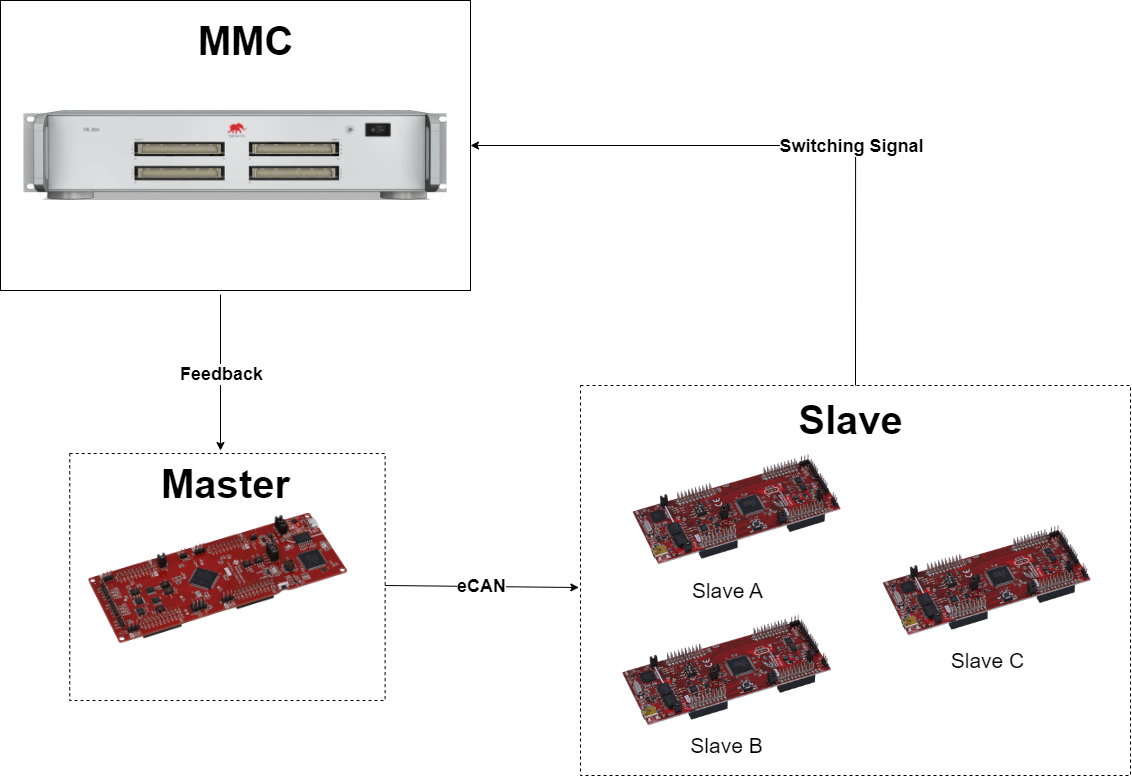
Figure 1. Multi-DSP hardware architecture diagram for MMC control.
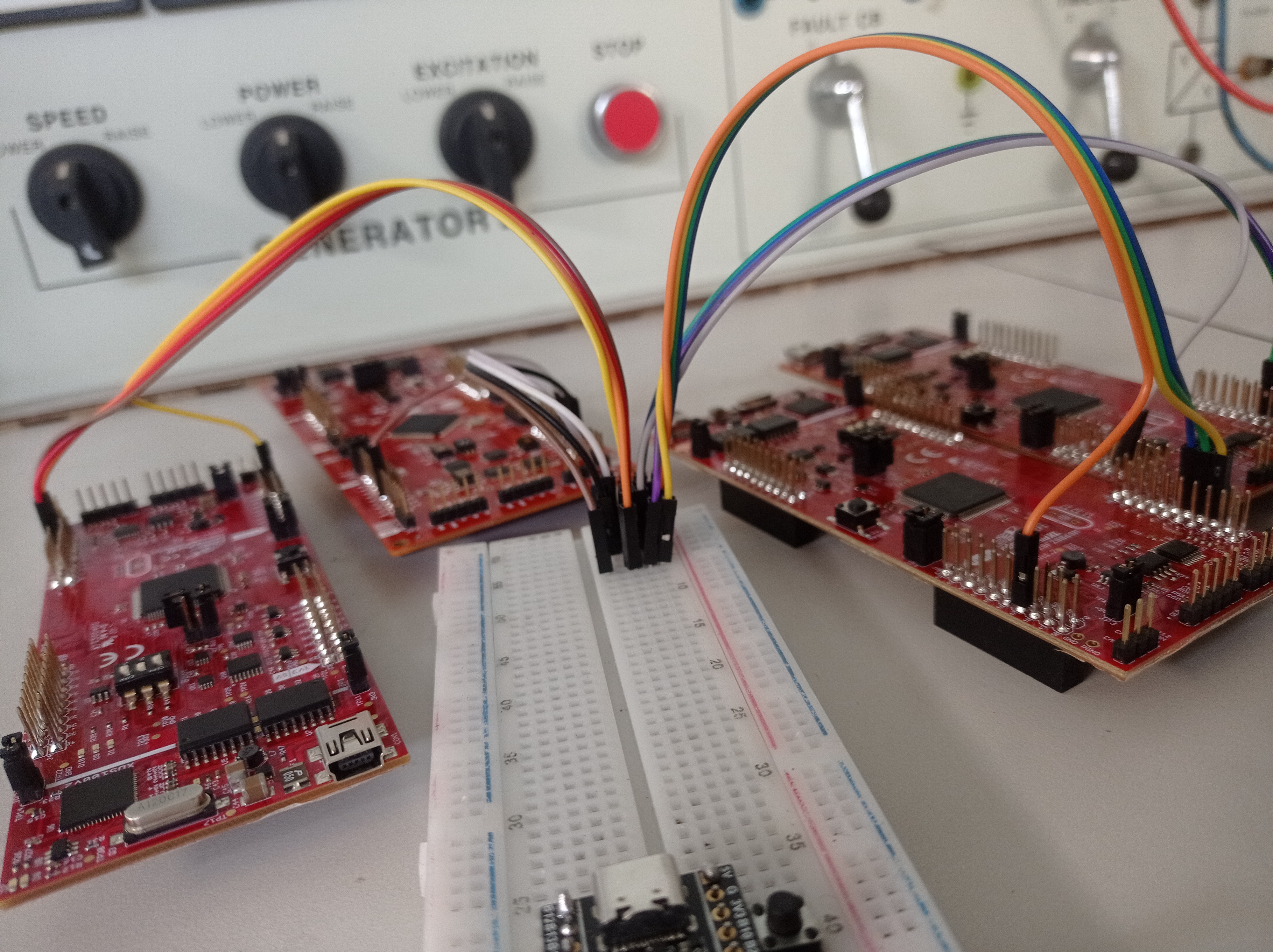
Figure 2. Physical wiring setup showing signal routing between multiple TI C2000 Launchpads.
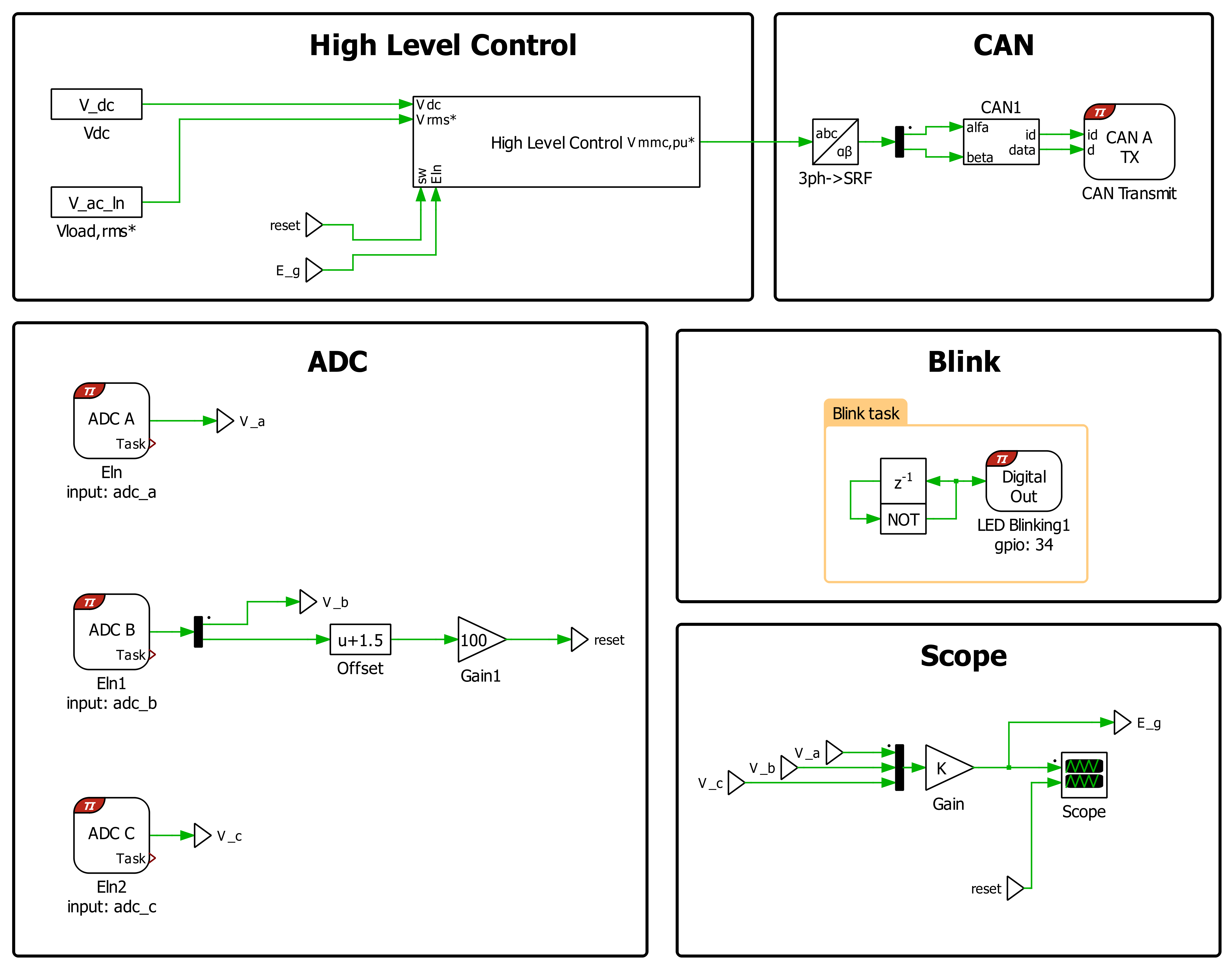
Figure 3. PLECS control logic implementation for the Master-side controller.
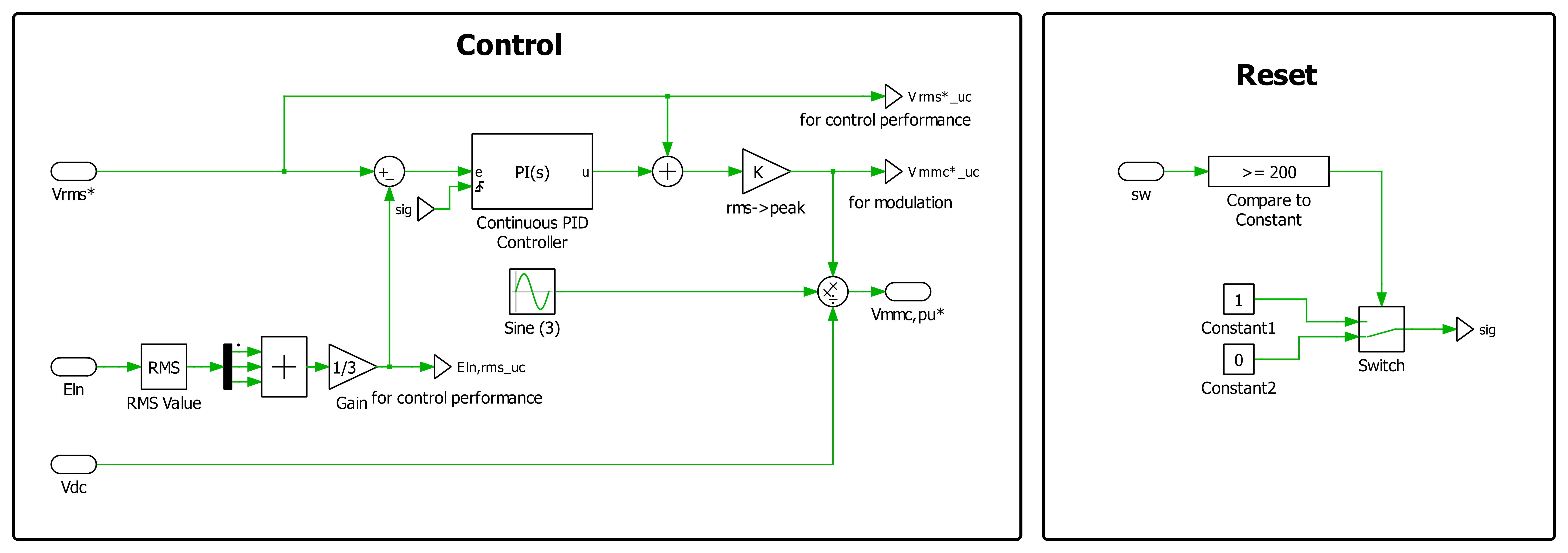
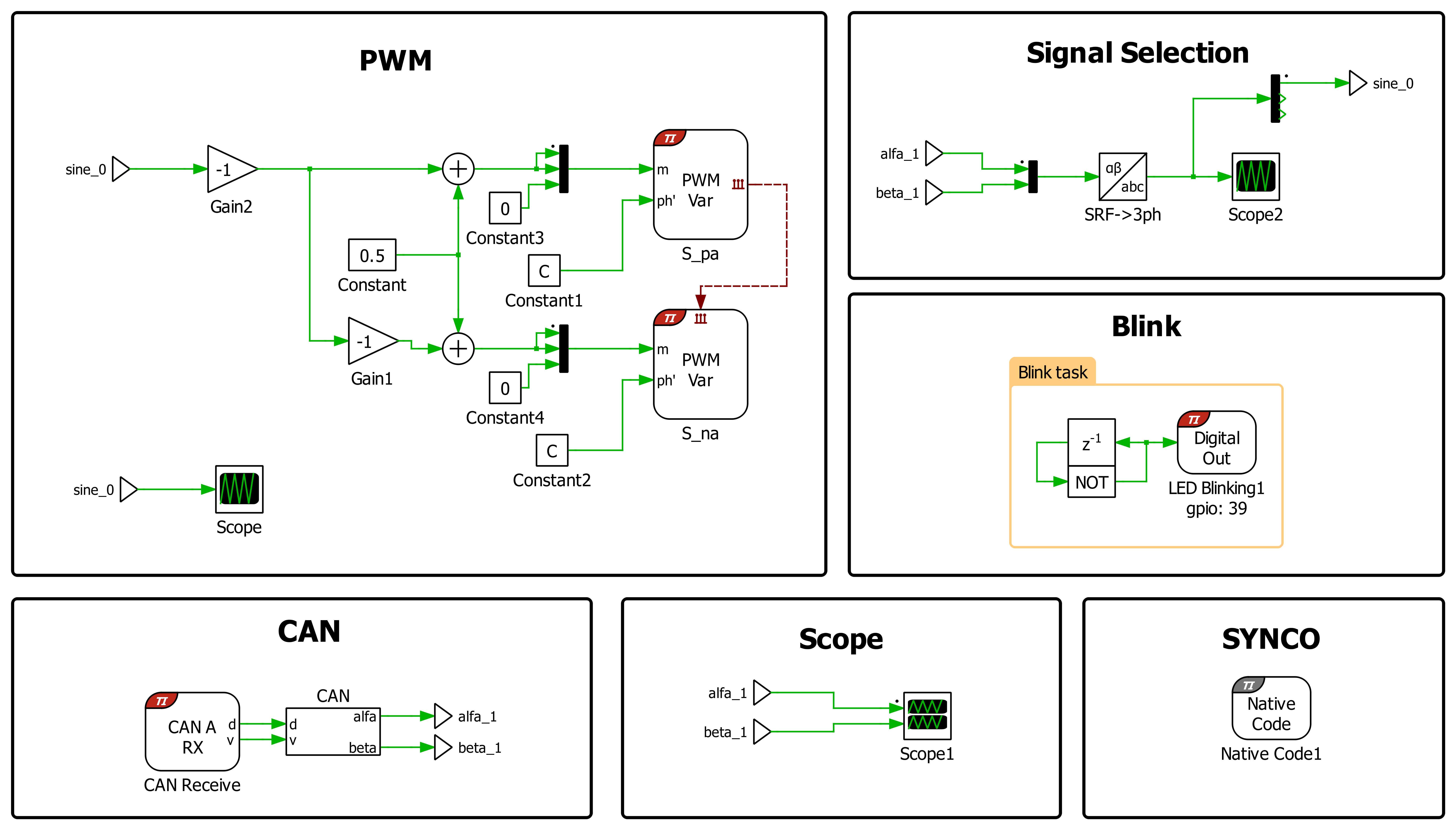
Figure 4. PLECS simulation for Slave-side Phase A controller.
2. HIL System Integration Support
- The Challenge: Real-time hardware-in-the-loop validation of the MMC stages within a SST architecture. This process requires precise synchronization between the HIL simulation and the multi-DSP hardware.
- My Execution: While my teammate, Musyaffa’ Ahmad, operated the Typhoon HIL 604, I managed the physical hardware interfacing for the controller side. I synchronized the TI C2000 microcontrollers (F280049C, F28069M, and F28379D) and troubleshot the analog/digital signal routing to ensure high-fidelity data exchange between the DSPs and the HIL I/O interface.
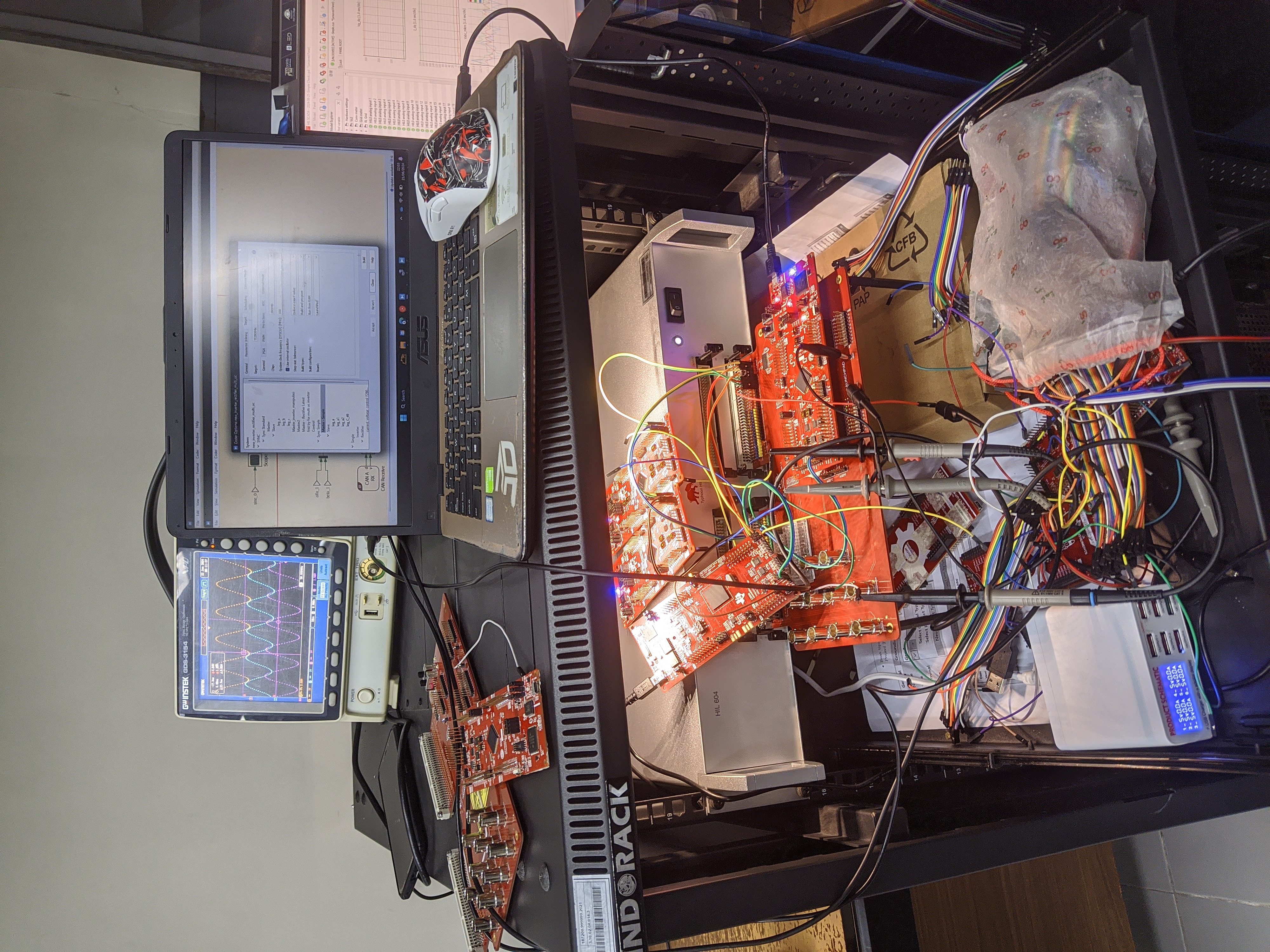
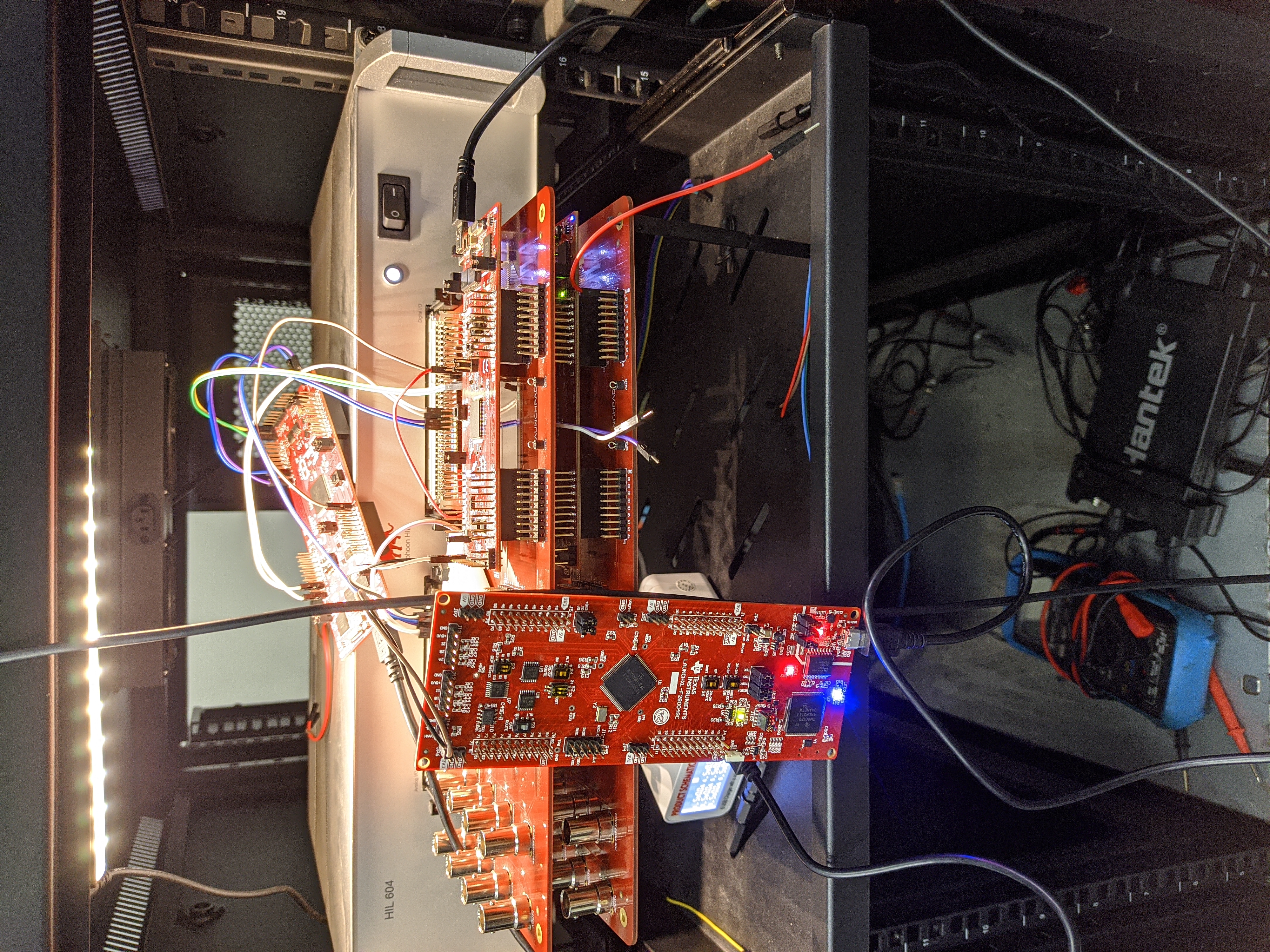
Figure 1. Hardware-in-the-Loop (HIL) integration setup featuring the Multi-DSP controller platform and Typhoon HIL 604.
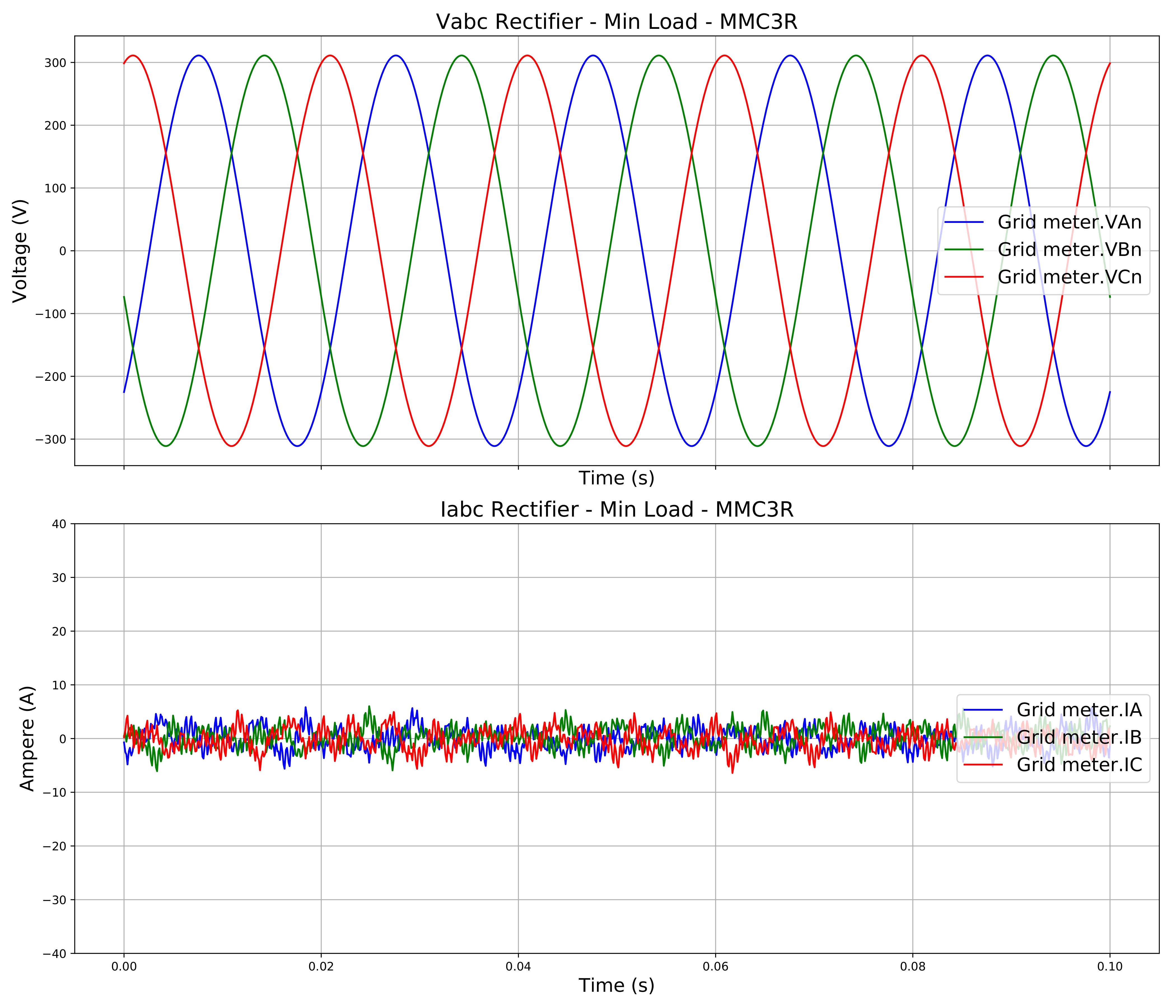
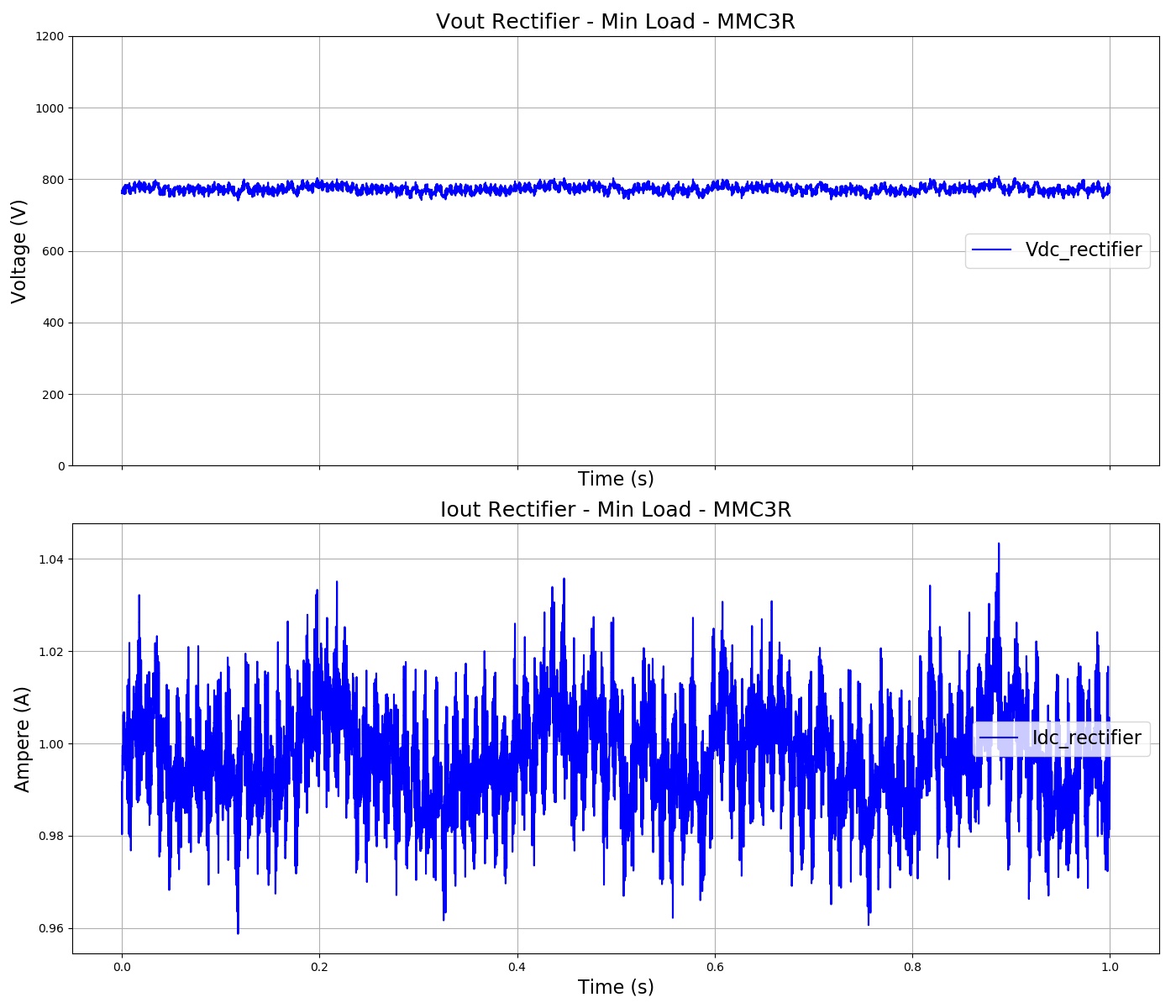
Figure 2. Python-based visualization of HIL validation results for the MMC rectifier.