
EMG-Controlled Prosthetic Arm with Embedded ML
Project Overview
This project was completed as an undergraduate Capstone Design project. It involved leading a multidisciplinary team to develop an EMG-controlled prosthetic arm. The system uses eight EMG sensors to classify a user’s intended hand gestures using machine learning, which then drives the arm’s motors with low latency on an embedded edge device.
Team Composition & Leadership
I served as the Project Lead and managed a cross-disciplinary team. I coordinated timelines, tasks, and technical integration throughout the project. The team members were Taufik Dwi Cahyo, Ariq Tsaqif Aryasuta, Rihadatul Aisy N. P., and Sri Novia Wulandari.
Core Contributions & Technical Execution
1. Team Leadership & Technical Integration
- The Challenge: Integrating complex mechanical, electrical, and biomedical subsystems from scratch while managing a multidisciplinary team with different technical timelines.
- My Execution: As the Project Lead, I managed the overall project timeline and defined the technical interfaces between subsystems to ensure proper integration. I also supervised the development of custom motor drivers and improved the 3D-printed arm structure to accommodate the embedded electronics.
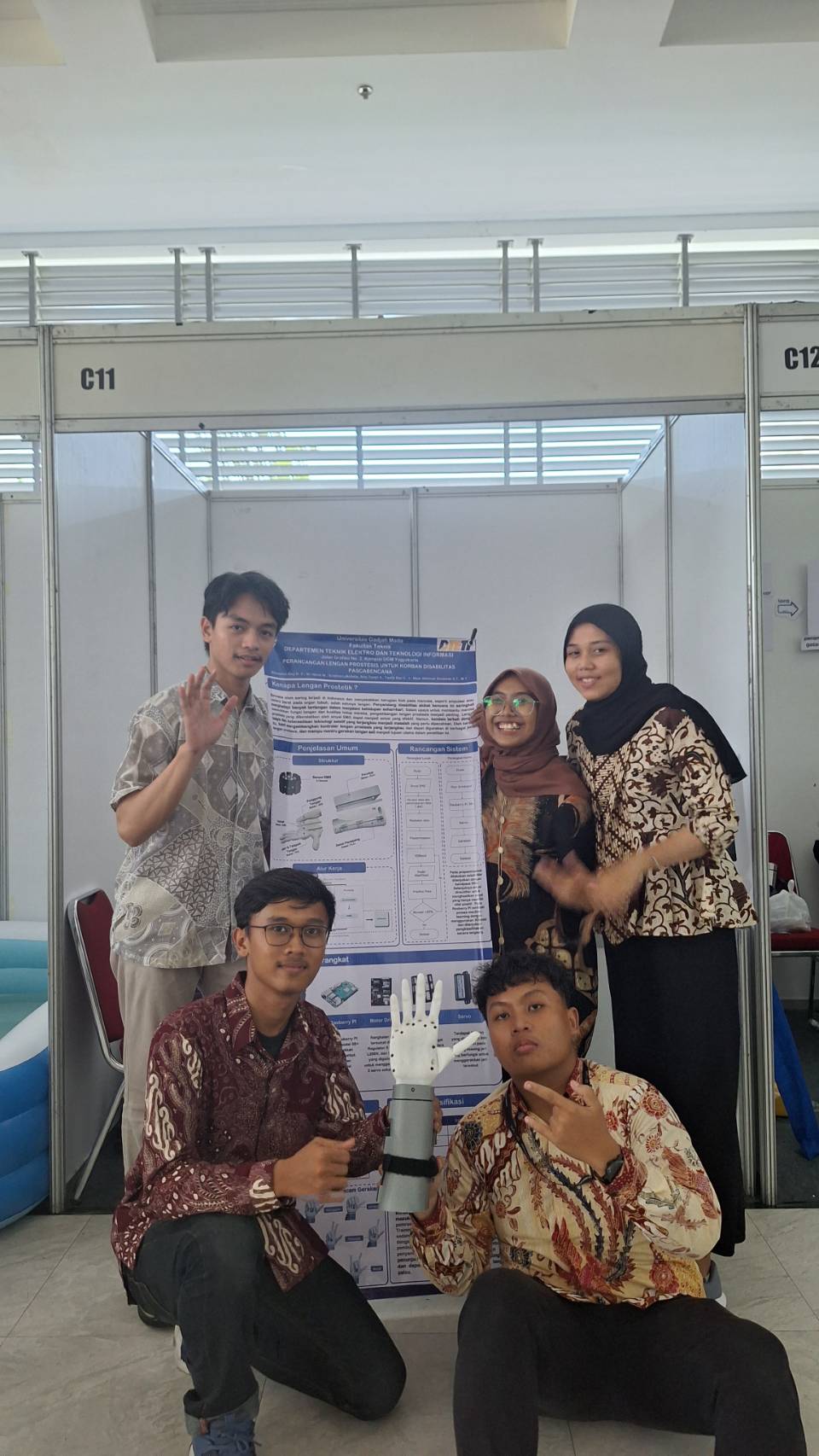
Figure 1. The project team at our exhibition booth during the Capstone Design Expo.
2. Embedded ML Implementation (XGBoost)
- The Challenge: Implementing a high-accuracy, real-time Machine Learning classification model for 8 channels of EMG data on an edge device (Raspberry Pi 3) with strict latency requirements.
- My Execution: I was responsible for the Machine Learning deployment, implementing an XGBoost classification model on a Raspberry Pi 3. I optimized the inference pipeline to process 8-channel EMG data efficiently, enabling precise and low-latency translation of muscle signals into hand movements.
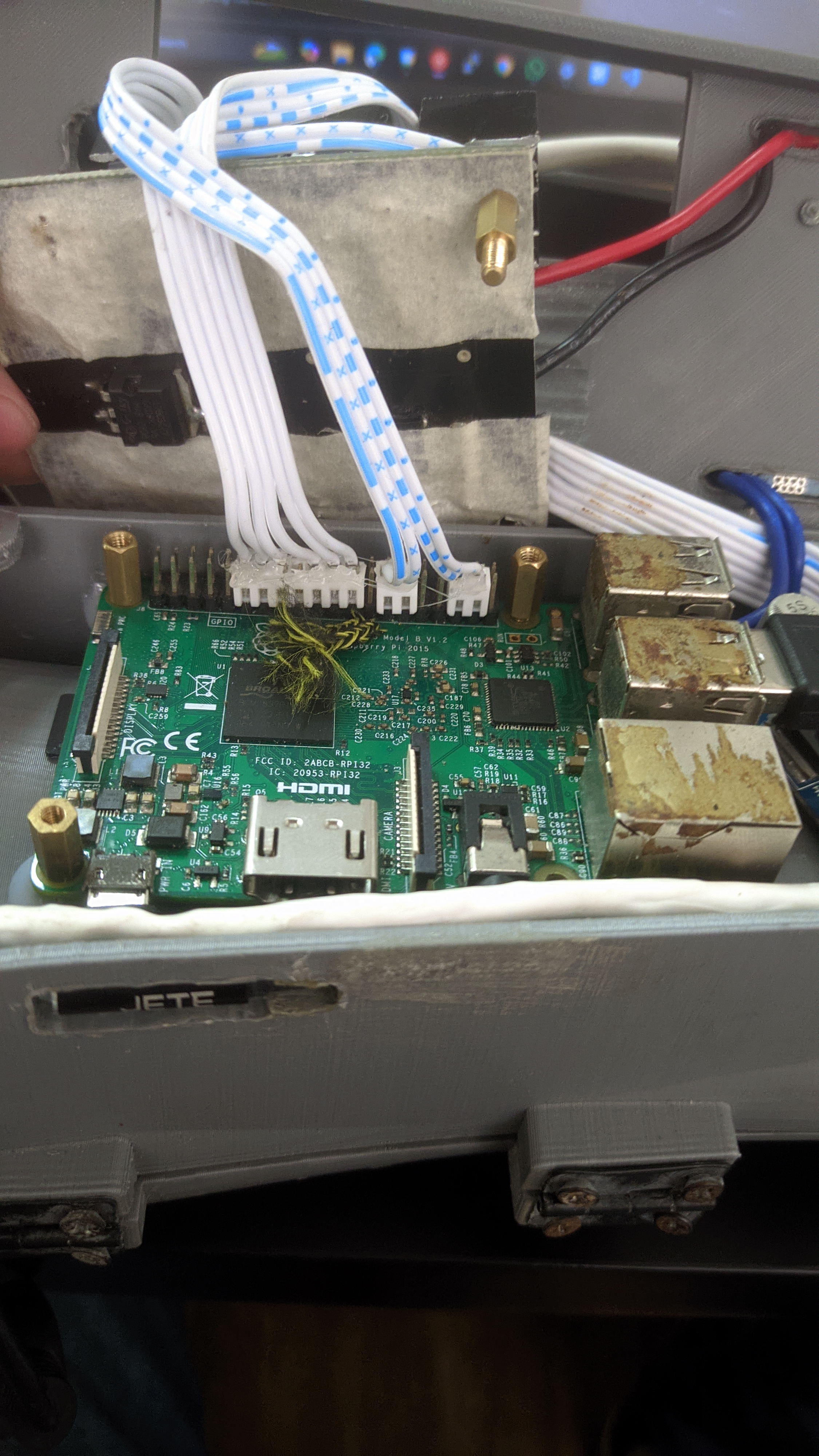
Figure 2. Raspberry Pi 3 embedded platform used for real-time XGBoost model execution.
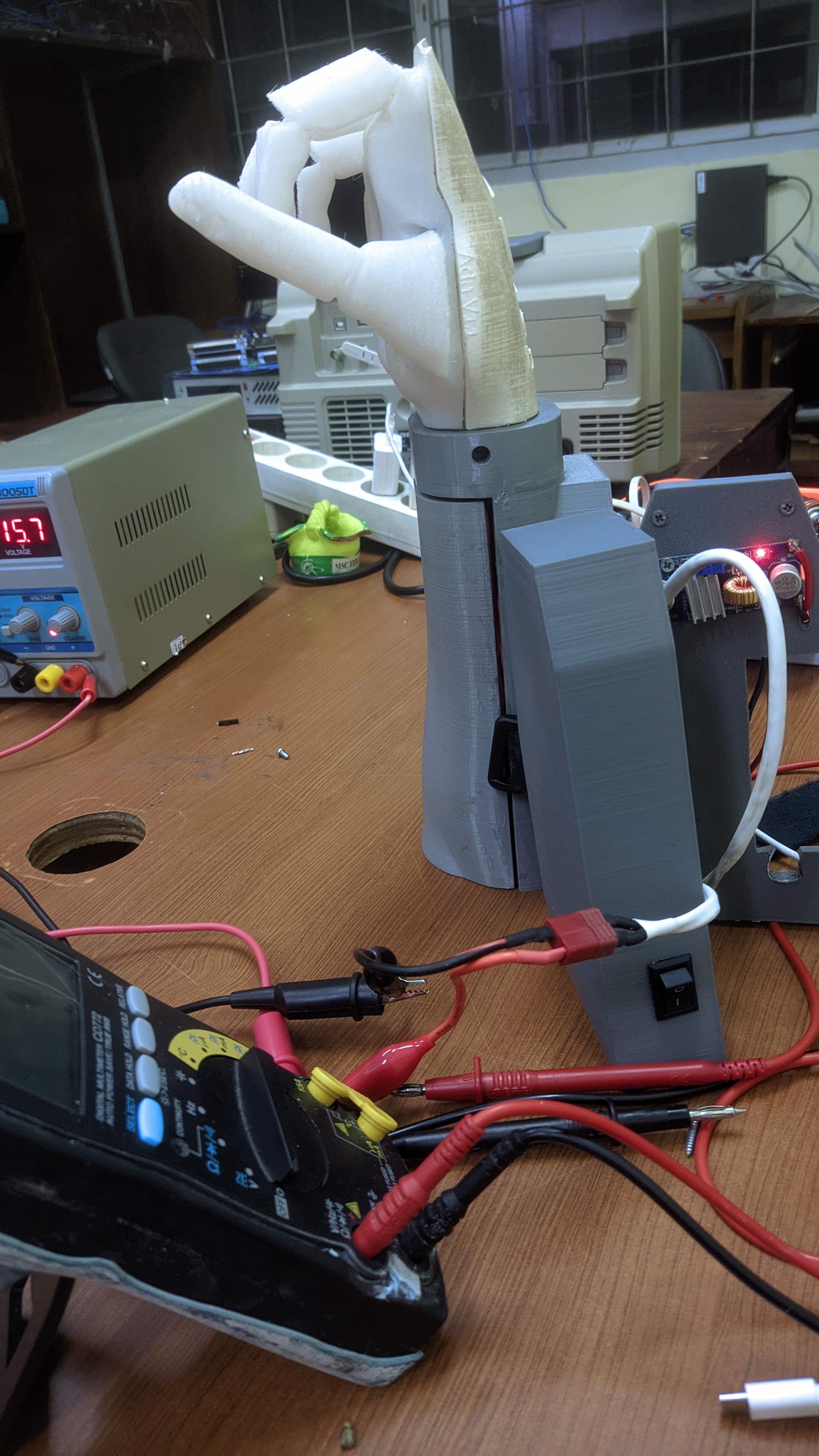
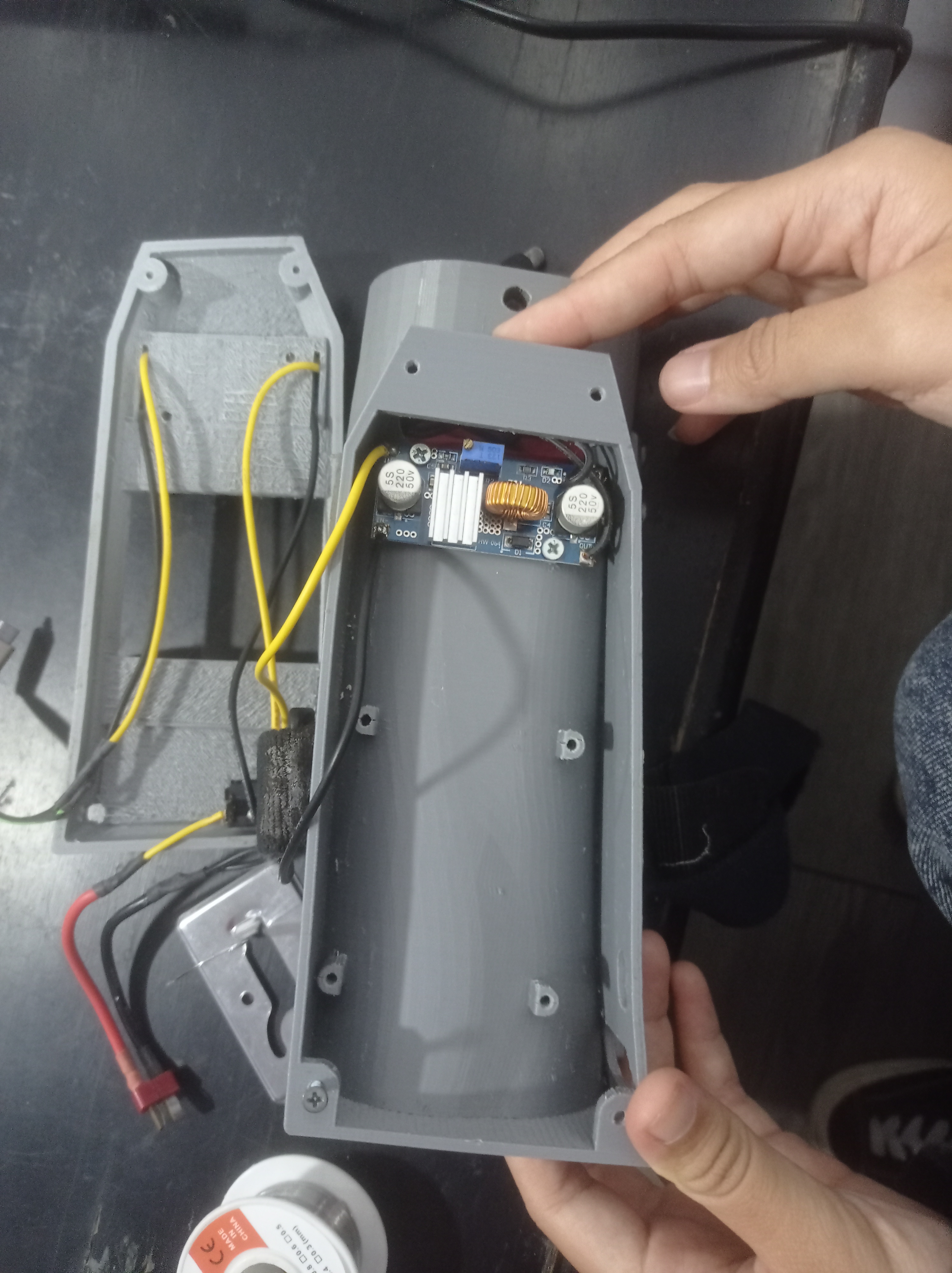
Figure 3. Full prototype of the 3D-printed prosthetic arm.