
Real-Time SST Simulation: Averaged-Model Optimization
Project Overview
This research focuses on developing a system-level simulation of a three-stage Solid-State Transformer (SST). The objective is to simplify computationally heavy PWM models by using an averaged-model framework in Typhoon HIL. This approach enables high-fidelity real-time analysis of the integrated MMC rectifier, DAB, and MMC inverter stages.
Core Contributions & Technical Execution
1. Averaged Modeling for Individual Converters
- The Challenge: Detailed PWM models of Modular Multilevel Converters (MMC) and DAB stages are too computationally intensive for real-time HIL execution, often exceeding the FPGA’s processing capacity.
- My Execution: I developed switching-cycle averaged models for the Rectifier, DAB, and Inverter stages in Typhoon HIL. Instead of modeling individual switches, the converters were represented as controlled voltage and current sources. This approach focuses the simulation on low-frequency dynamics and power flow while keeping the computation within the limits of the HIL hardware.
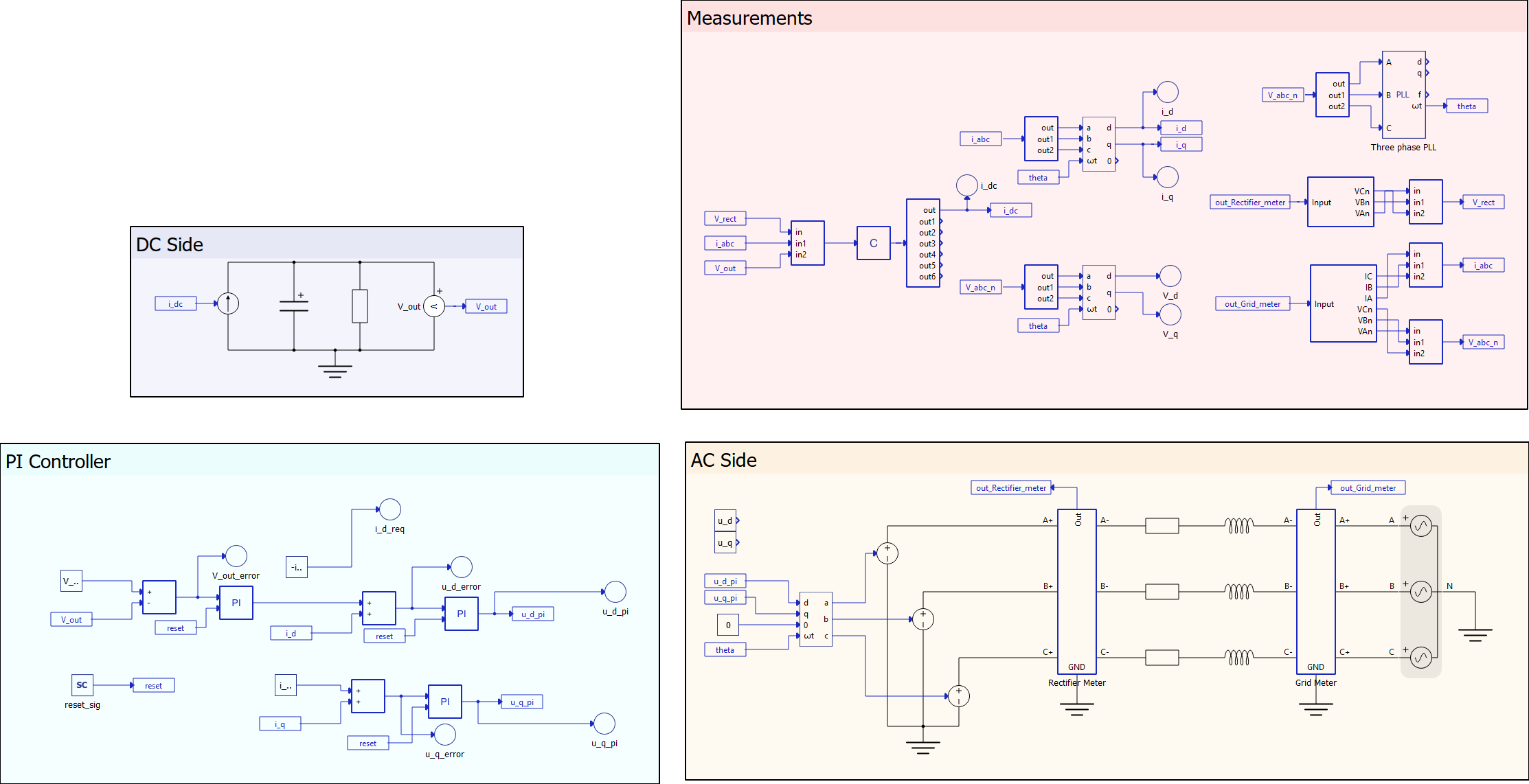
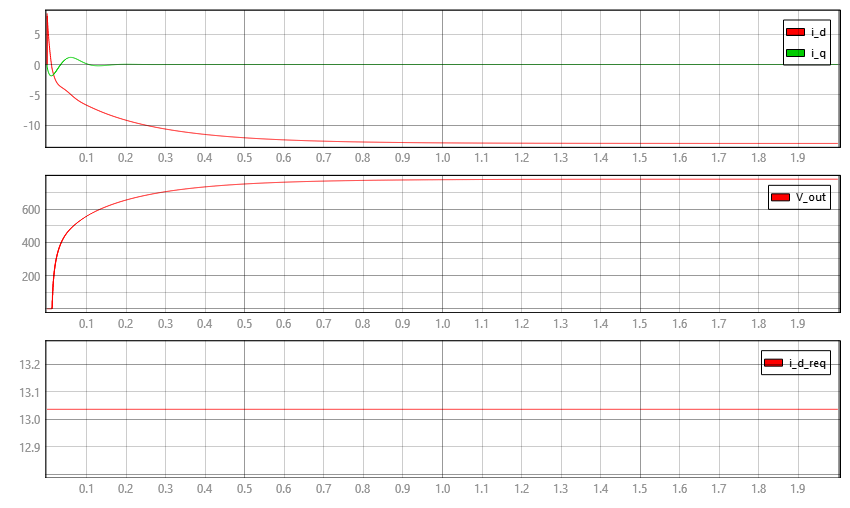
Figure 1. MMC Rectifier: Typhoon HIL averaged-model simulation (top) and SCADA monitoring result (bottom).
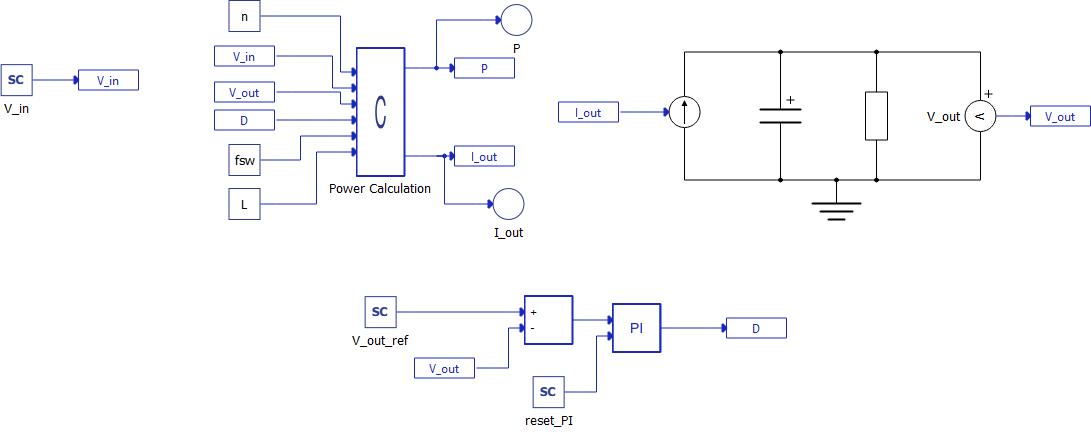
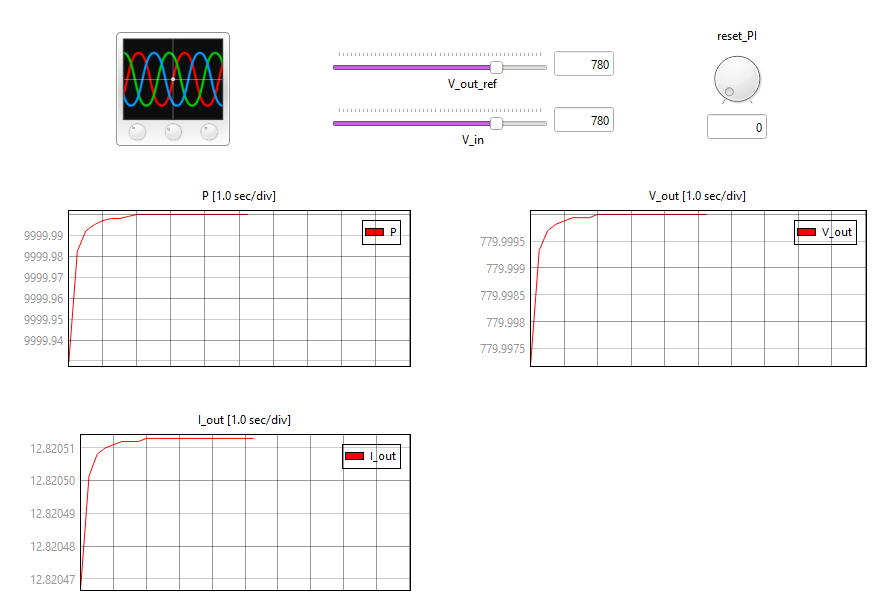
Figure 2. DAB Stage: Typhoon HIL averaged-model simulation (top) and SCADA monitoring result (bottom).
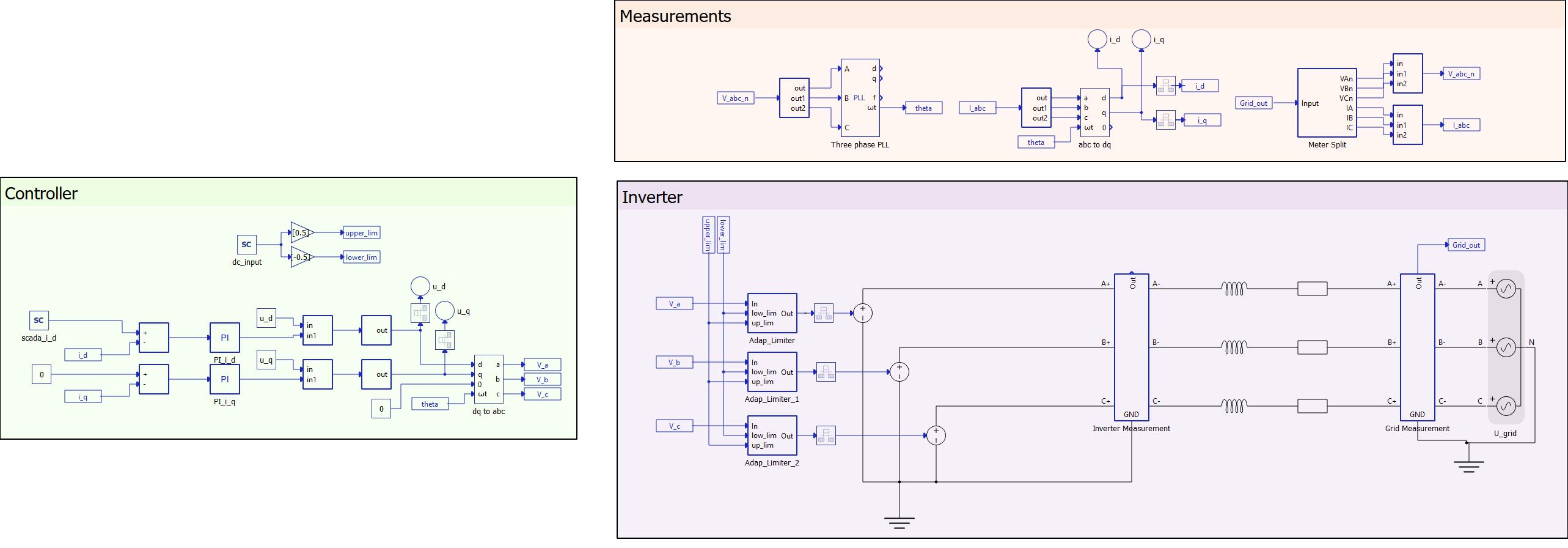
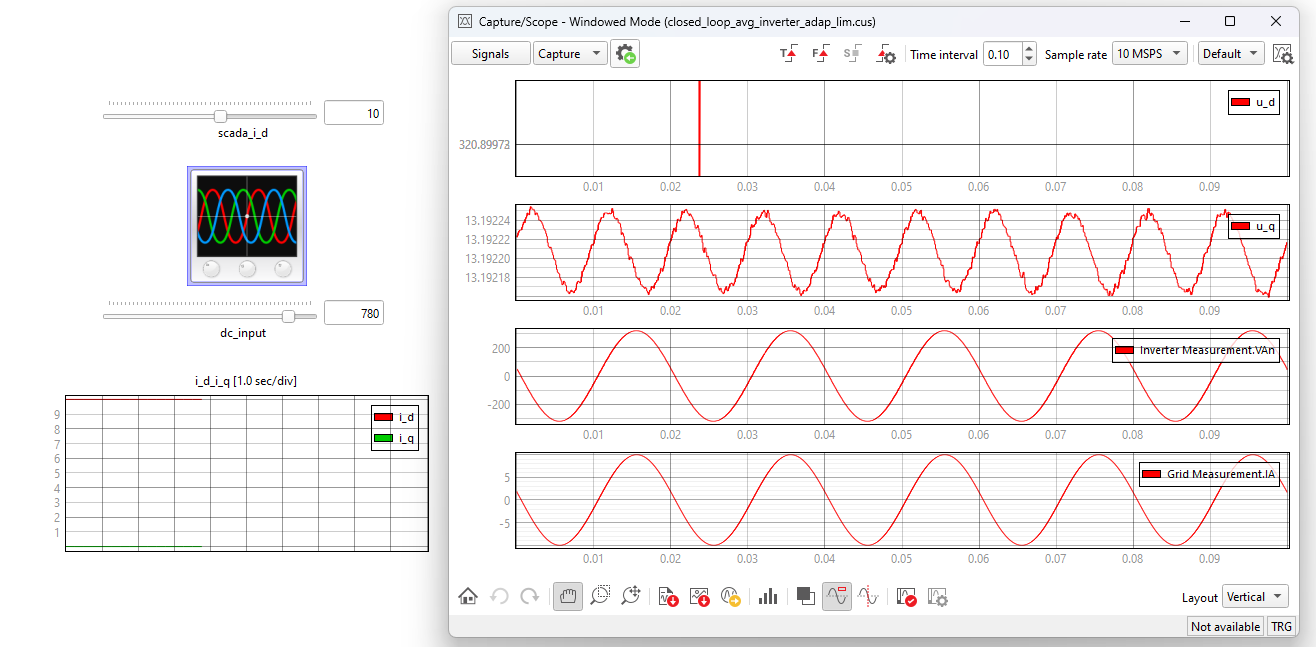
Figure 3. MMC Inverter: Typhoon HIL averaged-model simulation (top) and SCADA monitoring result (bottom).
2. Integrated SST System Simulation
- The Challenge: Integrating the rectifier, DAB, and inverter stages into a single, unified SST system simulation.
- My Execution: I integrated the developed averaged models into a single Typhoon HIL schematic. This setup enables system-level analysis of multi-stage interactions, dc-link energy balance, and overall system behavior without detailed switching models.

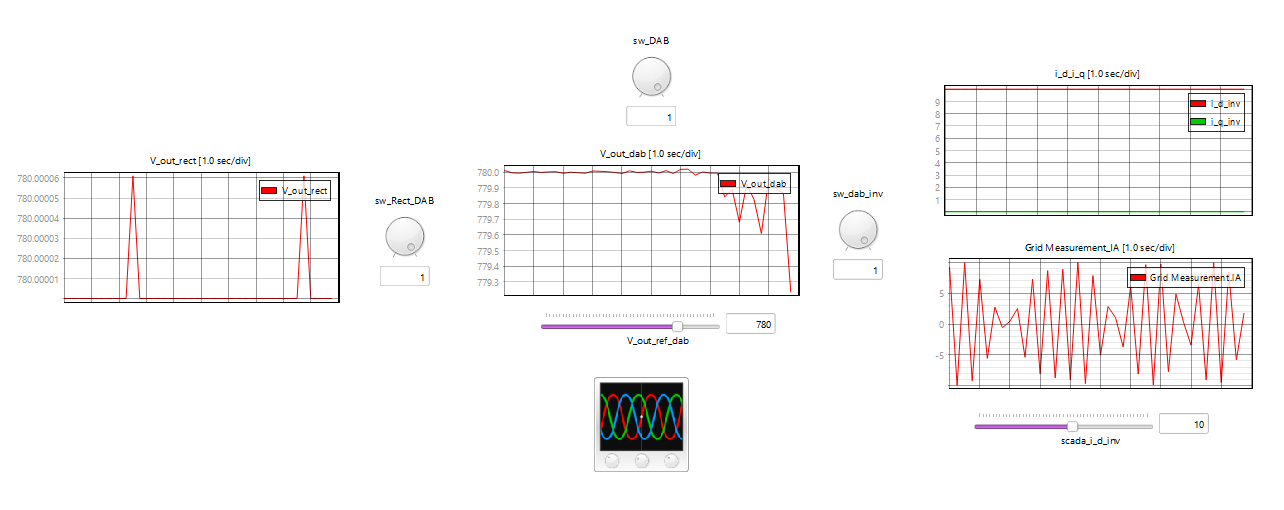
Figure 4. Integrated SST System: Full-scale Typhoon HIL simulation (top) and system-wide SCADA result (bottom).